


GROSA FOR RESTAURANTS & CAFÉS
Front of house.
Kitchen in rhythm.
Explore Grosa restaurant management software for restaurants and cafés. Bring tables, reservations, kitchen orders and recipes into your daily service discussion.
Explore the relevant modules and confirm the scope for your business.
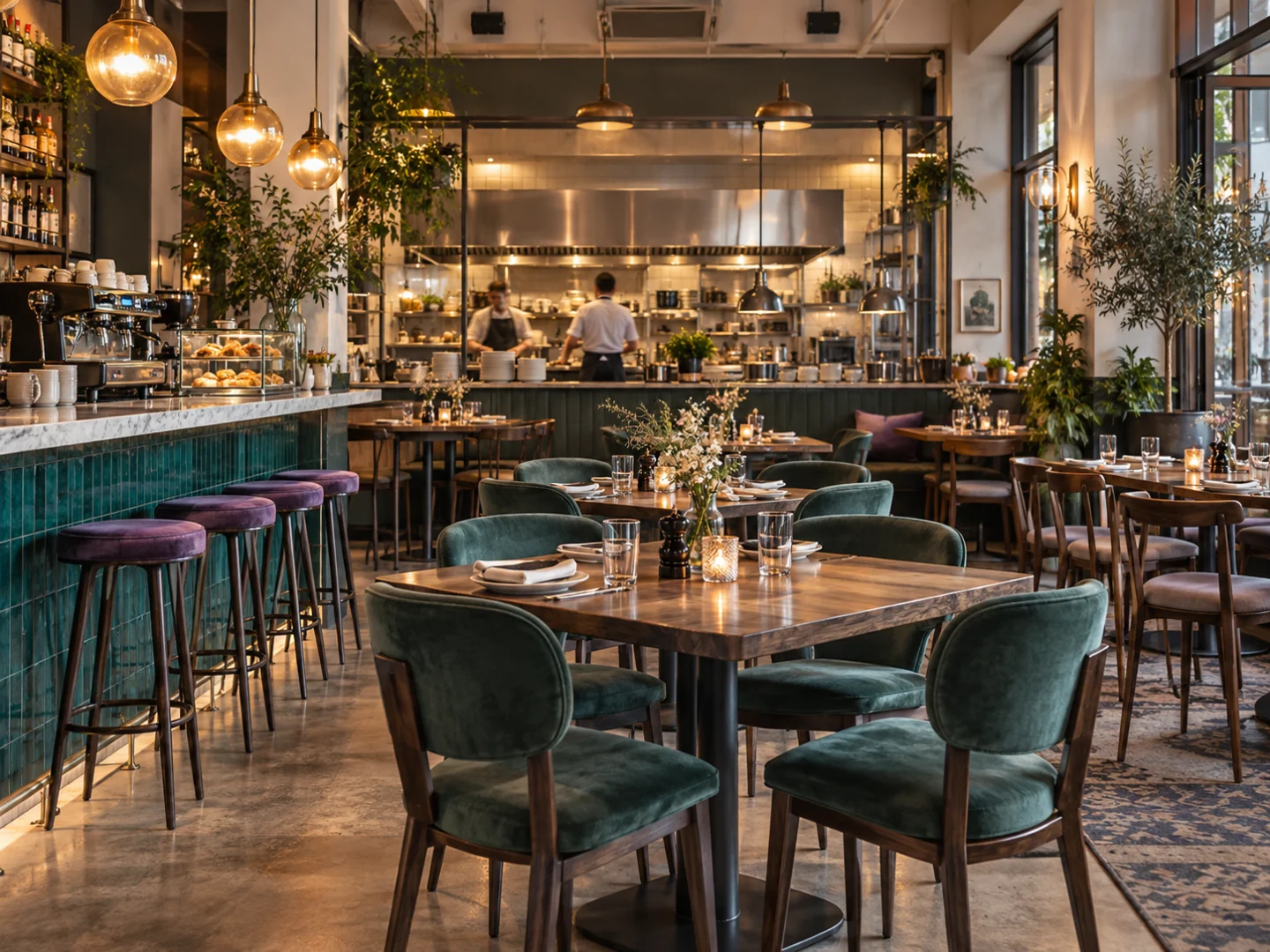
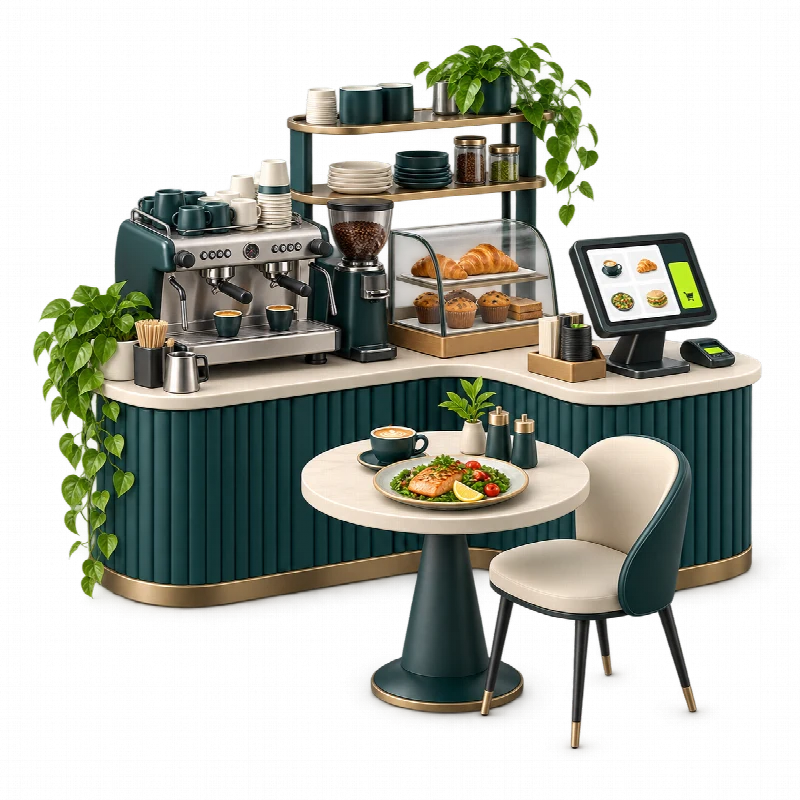
THE WAY YOUR BUSINESS WORKS
Restaurant management software for your daily service
Service works best when the next step is clear. Explore tables, reservations, kitchen orders and recipes around the real rhythm of your restaurant or café.
Tell us how the day runs, where information lives and which handovers take the most effort. The first demonstration should focus on those practical questions.
Prepare for a conversation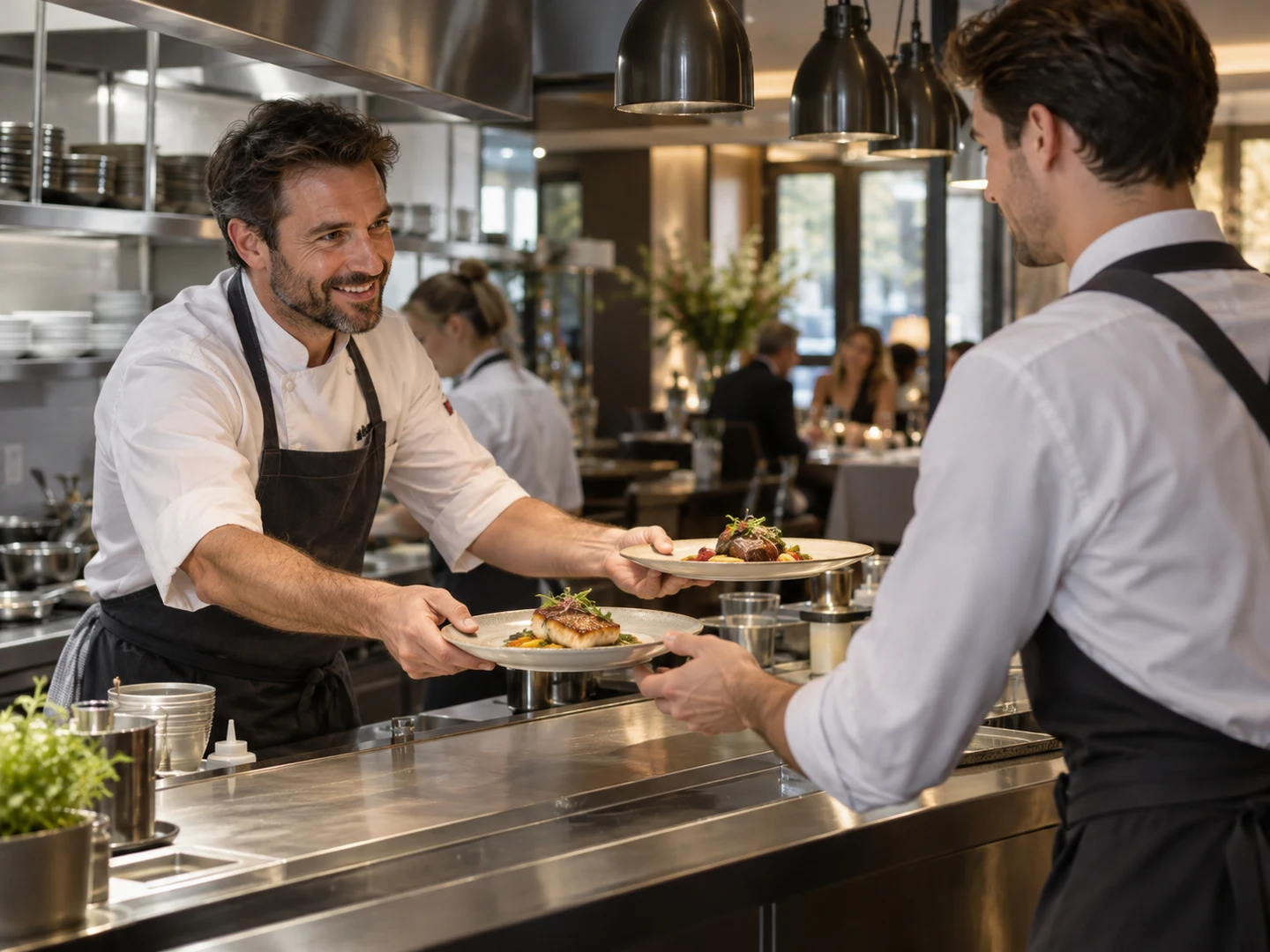
THE DAILY WORK
Give each order a clear next step.
A busy room asks a lot of the team: new arrivals, changes at a table and orders waiting to be prepared. A useful demonstration follows an order through your actual service steps, so both the dining room and kitchen can review what matters.
Explore related tools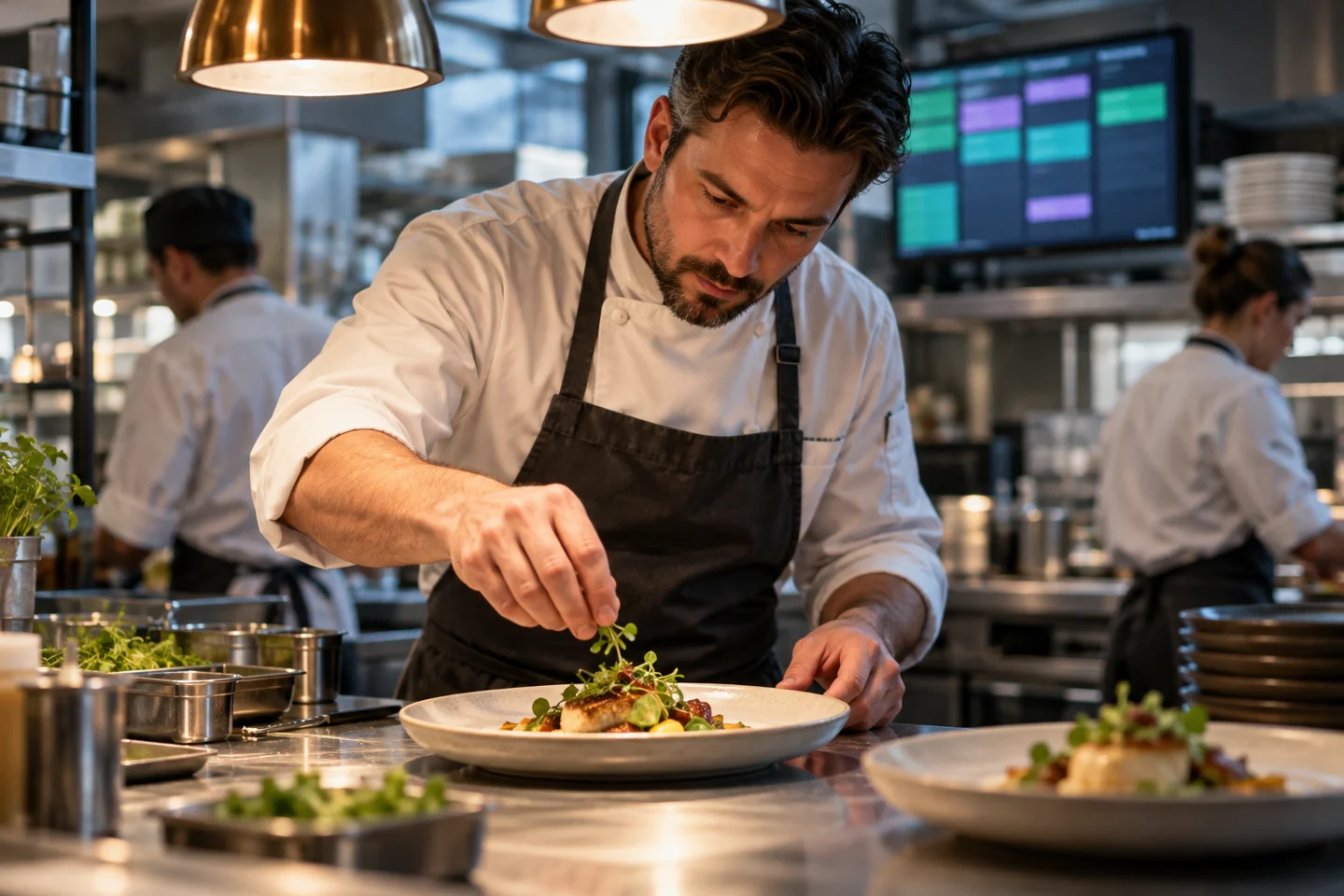
BEHIND THE SCENES
Behind the menu, there is a working kitchen.
Ingredients, preparation and recipes give the menu its operational context. Describe how your kitchen works today, what is recorded and which stock questions create extra work. Then review the restaurant and inventory scope together.
Explore related toolsEXPLORE THE DETAIL
Different tasks. One business context.
Choose an area to explore. The walkthrough should reflect the records and routines you actually use.
WORKFLOW 01
Tables & service
Discuss how your team starts service, organises tables and handles the movement of orders through the dining room. Use your own service format to shape the walkthrough.
Bring an example of the task, the information used and the question your team needs to answer. Review the required configuration and scope before agreeing the next step.
Discuss this workflow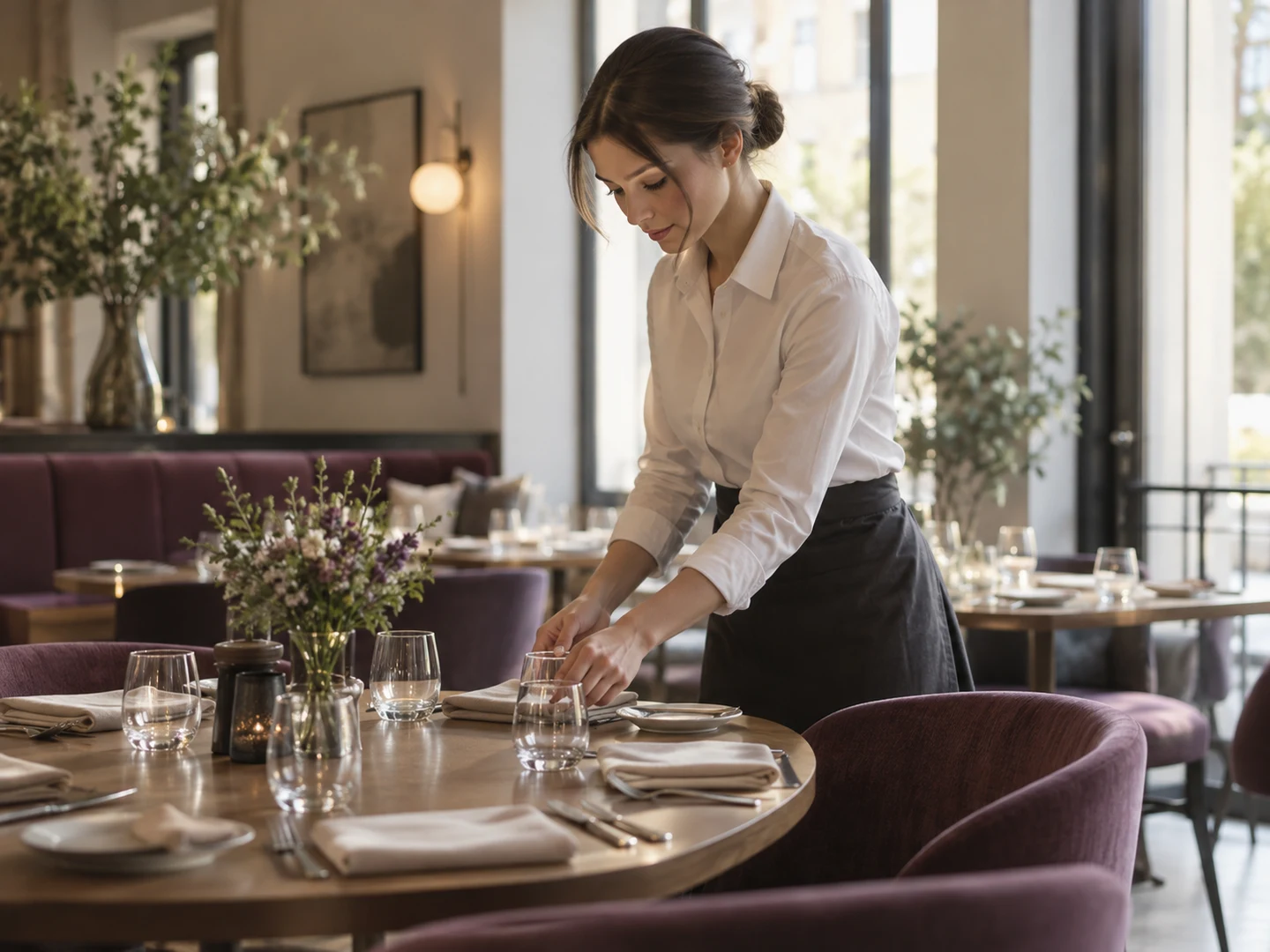
WORKFLOW 02
Kitchen orders
Explore the restaurant kitchen display and order workflow in the context of how your front-of-house and kitchen teams coordinate during a busy service.
Bring an example of the task, the information used and the question your team needs to answer. Review the required configuration and scope before agreeing the next step.
Discuss this workflow
WORKFLOW 03
Reservations
Review reservation handling alongside tables and service priorities. Explain how bookings are managed today and the information your team needs before guests arrive.
Bring an example of the task, the information used and the question your team needs to answer. Review the required configuration and scope before agreeing the next step.
Discuss this workflow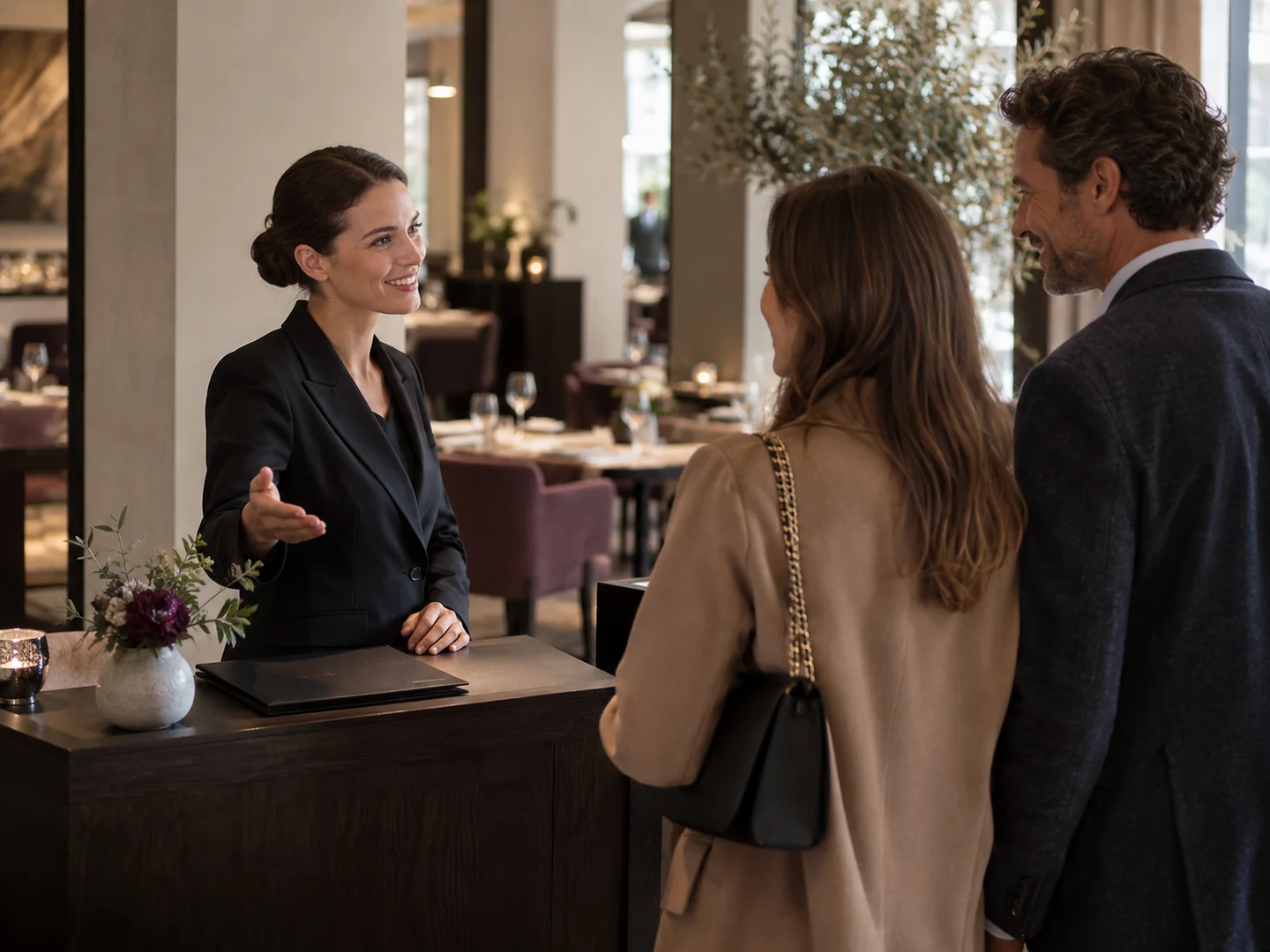

SERVICE HAS ITS OWN RHYTHM
Review the steps
your team lives every day.
A closer look
Four restaurant management software workflows to review
Use these working examples to review restaurant management software in the context of your operation. Confirm essential requirements in your walkthrough and proposal.

An order with its service context
Restaurant management software needs to be discussed using the format of your service. Explain whether the example involves a table, a takeaway order or another service routine, and identify who takes the order and who needs it next.
Use a familiar dish and a common variation to make the discussion concrete. Review the Grosa restaurant tools in that context, then confirm any kitchen device, printing, payment or external integration requirement as part of the proposed setup.

The menu and the working product records
A menu item and the products used around it may need different business records. Review restaurant management software with an example that makes those relationships clear to your team. Explain how you describe dishes, ingredients or recipe requirements today, and which information the kitchen and purchasing team need.
Specialist requirements should be reviewed with the restaurant module rather than inferred from a general inventory feature. The demonstration can then focus on the supported workflow and your configuration questions.

A change during a busy service
Busy periods reveal the handovers that matter in restaurant management software. Describe a typical order change, a question from the kitchen or a customer asking about a dish. Identify who needs to respond and which information must remain clear.
Use these examples to review the proposed workflow and team responsibilities. Requirements involving allergens, service policies or specific approvals should be discussed explicitly and managed alongside your own operating procedures, with official guidance consulted where appropriate.

Closing the loop after service
Restaurant management software should also be explored after the customer-facing part of service. Explain how your team reviews recorded sales, stock context and the needs of the next service period. Include the people and locations involved, particularly if purchasing or management happens elsewhere.
Compare the base plan and Restaurant add-on with those requirements. Agree any setup, devices, imports and training needs separately so your proposal reflects the whole operating example and the responsibilities around it.